
Suwon Hwaseong Temporary Palace
The largest temporary palace built in the Joseon Dynasty.
location825 Jeongjo-ro, Paldal-gu, Suwon-si, Gyeonggi-do
Usage feeAdmission ticket (adult) 2,000 won
Admission ticket (military/youth) 1,500 won
Admission ticket (elementary school students) 1,000 won
Combined ticket (adult) 4,000 won
Combined ticket (military/youth) 2,500 won
Integrated ticket (elementary school students) 1,000 won
ⓘ Combined ticket: Hwaseong Temporary Palace + Suwon Museum + Suwon Hwaseong Museum
Operating hoursOpen all year round 9:00 - 18:00
(Last admission 17:30)
💡 Tips for use
Take a look at nearby Suwon Hwaseong Fortress and Haengridan-gil!
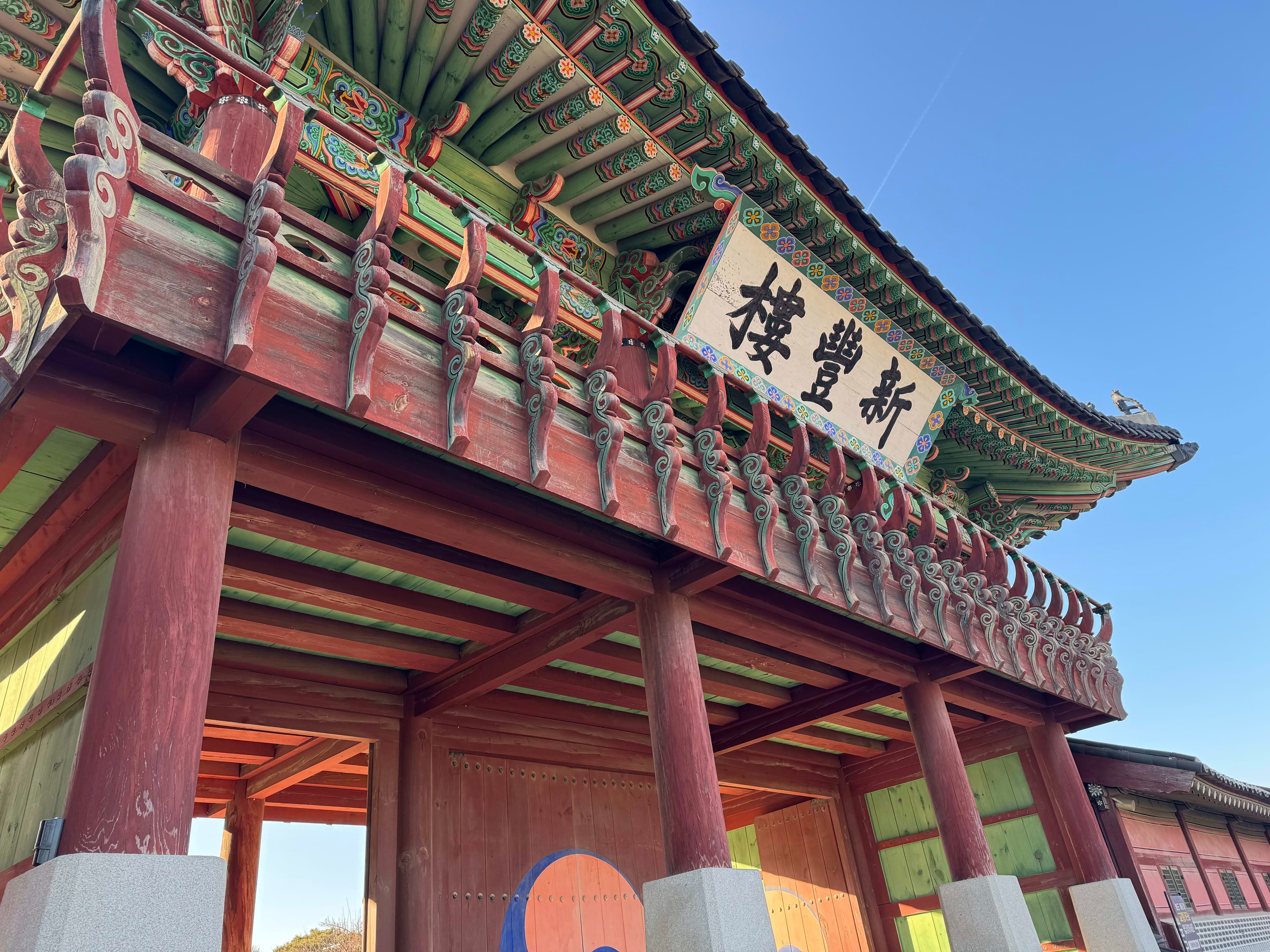
Founded in 1796 (20th year of King Jeongjo’s reign)
First stage restoration in 2002, second stage restoration in 2023
Hwaseong Temporary Palace is the largest temporary palace built in the Joseon Dynasty. In the 13th year of King Jeongjo's reign (1789), the tomb of Crown Prince Sado was installed as the site of the Suwonbu town office, and the town office was moved to the foot of Paldalsan Mountain, where it was built as the government office of Sinsuwonbu.
Hwaseong Temporary Palace was normally used as a government office, but was later used as a palace retreat for the king and his attendants when he visited. King Jeongjo stayed at Hwaseong Temporary Palace a total of 13 times from 1789, when the "Hyeonwon" ceiling was installed, until 1800, when he died. In 1795, he held the 60th birthday party of his mother, Lady Hyegyeonggung Hong, here. The king's visits to Hyeonneungwon continued even after King Jeongjo, and the function of Hwaseong Temporary Palace continued until the end of the 19th century.
However, starting in 1911, the Japanese remodeled or demolished Hwaseong Temporary Palace to use it as a hospital (Jahye Clinic) and police station, and currently only Naknamheon and Karadang maintain their original appearance. Suwon City has been carrying out a restoration project since 1994 based on the excavation results and the “Hwaseongseong Station Uigwe”, restoring the central area in 2002 and the Fable Hall and Byeolju area in 2023. Some buildings and fences that were not identified during the excavation were not restored.